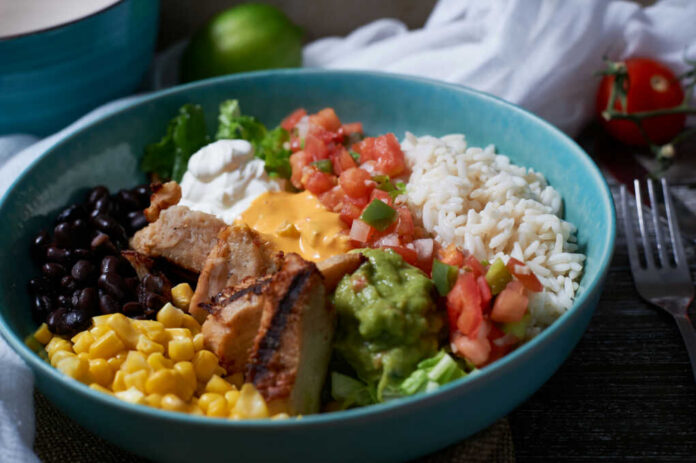
Spicy foods you love could be secretly igniting your worst nasal allergy flare-ups through a hidden nerve reflex no one warned you about.
Story Highlights
- Everyday spicy triggers like chili peppers provoke rapid runny nose via gustatory rhinitis, distinct from true IgE allergies.
- Common foods such as peanuts, eggs, rice, and cereals show high sensitivity in allergic rhinitis patients, worsening sneezing and congestion.
- Early introduction of allergens like peanuts before 12 months prevents progression.
- Women aged 21-40 face higher risks, with 53% of cases linking food sensitivities to nasal symptoms.
- Recent 2026 research ties immune disorders to severe reactions, urging precise diagnosis over misperceptions.
Two Distinct Rhinitis Triggers from Foods
Spicy foods activate gustatory rhinitis immediately after eating. Capsaicin in chili peppers stimulates the trigeminal nerve, dilating nasal blood vessels and causing runny nose, sneezing, and congestion within minutes. This non-allergic reaction affects anyone, not just allergy sufferers. Cleveland Clinic experts confirm it stems from neurogenic reflexes discovered in 1970s neurology studies. Avoidance works best; nasal sprays like ipratropium offer quick relief by blocking nerve signals.
Allergic Reactions Driven by Specific Foods
A 2018 study of 100 allergic rhinitis patients found 60% sensitivity to cereal mixes, plus high rates for rice, citrus fruits, black grams, bananas, peanuts, and eggs. IgE antibodies trigger chronic nasal inflammation upon ingestion. Peanuts raised odds ratios to 2.59, eggs to 1.8, milk to 1.46. These differ from pollen allergies by focusing on swallowed triggers, not inhaled ones. Researchers emphasize testing to identify personal culprits.
Historical Evolution of Food-Rhinitis Links
Food-rhinitis connections emerged in the 1980s with oral allergy syndrome, where pollen cross-reacts with fruits and vegetables. Early 2000s IgE research built the allergic march hypothesis: food allergies progress to rhinitis and asthma. Occupational cases like bakers’ wheat dust rhinitis and butchers’ meat symptoms set precedents. Pediatric data shows 35% of food-allergic children develop rhinitis, led by peanuts, milk, eggs. Global food allergy rises amplify concerns.
Demographics and Prevalence Patterns
Food-triggered rhinitis hits 4.5% of asthma and rhinitis patients, skewing 66% female and peaking ages 21-40. Half of allergic rhinitis cases overlap with food sensitivities. U.S. surveys reveal 19% self-report food allergies against 11% confirmed, fueling misdiagnosis burdens. Families with allergy history face compounded risks, especially if children show early eczema or wheezing.
Recent Advances in Immune Insights
Northwestern’s 2026 study reveals specific immune disorders spark severe food allergies, explaining varied rhinitis severity. EurekAlert reports eczema triples food allergy odds, including nasal impacts. Prevention stresses peanuts before 12 months, countering outdated delay advice. Treatments advance with immunotherapy and sprays. Experts note heterogeneous patterns beyond simple allergic march, urging tailored approaches grounded in peer-reviewed data.
Stakeholders Shaping Awareness and Care
PMC and NIH researchers lead with cohort studies on 100 patients. Cleveland Clinic provides clinical guides distinguishing mechanisms. AAFA and Food Allergy Canada disseminate risks, advocating early interventions without vaccine myths. Pediatricians influence family decisions. Food industry adapts labeling amid rising demands. Academic power drives evidence; advocacy amplifies it conservatively, prioritizing facts over hype for patient outcomes.
Practical Implications for Daily Life
Short-term, skip spicy meals to halt gustatory flares; test for IgE allergens to curb chronic symptoms. Long-term, early exposures slash progression risks per allergic march evidence. Healthcare costs rise from undiagnosed cases; stigma hits perceived allergies. Food processors develop low-allergen options as funding grows.
Sources:
PMC Study on Food Allergens in Allergic Rhinitis Patients
Gustatory Rhinitis Symptoms, Causes, Signs and Treatment Guide
Cleveland Clinic: Gustatory Rhinitis
PMC Article on Food Allergies and Allergic March
EurekAlert: Eczema Triples Food Allergy Risk
AAFA: Over 300 Risk Factors for Food Allergy, No Vaccine Link
Northwestern Feinberg: Study Reveals Why Some Immune Disorders Trigger Severe Food Allergies
Food Allergy Canada: Oral Allergy Syndrome (OAS)/Pollen Food Allergy Syndrome (PFAS)