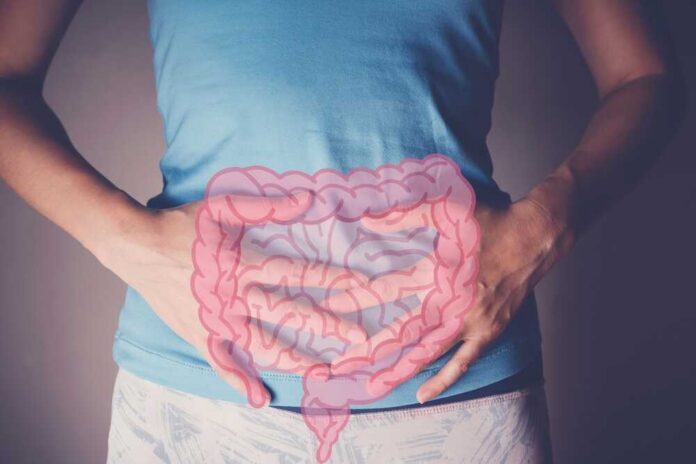
The daily beverage that purportedly increases beneficial gut bacteria turns out to be something far more mundane than the latest probiotic craze—it’s water.
Story Snapshot
- Well water consumption associated with higher gut bacteria diversity compared to bottled, filtered, or tap water in 3,000-participant American Gut Project study
- Chlorinated tap water may reduce gut diversity according to 2024 animal studies, though chlorination remains essential for preventing waterborne disease
- Well water carries diversity benefits but also contamination risks that the optimistic headlines conveniently ignore
The Water-Gut Connection Nobody Talked About
For years, gut health enthusiasts obsessed over fermented foods, fiber intake, and expensive probiotic supplements while ignoring the liquid flowing from their taps. The American Gut Project changed that conversation in 2022 when researchers analyzed fecal samples from over 3,000 participants across the United States and United Kingdom. Their findings revealed water source ranked among major factors influencing microbiota composition. Well water drinkers showed significantly higher alpha-diversity—essentially, more varied bacterial communities—compared to those drinking bottled, filtered, or standard tap water. The shifts favored genera like Dorea while reducing potentially inflammatory bacteria such as Bacteroides, Odoribacter, and Streptococcus.
The Chlorination Dilemma Nobody Wants to Address
Chlorine disinfection presents a genuine paradox for public health. University of Arizona researchers demonstrated in May 2024 that chlorinated tap water altered gut bacterial composition and reduced diversity in mice. Their findings suggest modern water treatment, while eliminating deadly pathogens, may inadvertently impact the microbial communities we’re only beginning to understand. However, a 2022 Tufts University study examining low-income communities found chlorination saved countless lives from waterborne diseases without detectably harming children’s microbiomes. The researchers appropriately emphasized that further human studies remain necessary before drawing firm conclusions about chlorination’s microbiome effects.
Well Water’s Double-Edged Sword
Well water’s unprocessed nature explains both its diversity benefits and contamination risks. Without chlorination or filtration, natural microbial communities survive transit from aquifer to glass, potentially enriching gut ecosystems. The American Gut Project data confirmed statistically significant differences between well water consumers and others. Yet the same lack of treatment that preserves beneficial microbes also permits pathogens like Campylobacter—a reality researchers noted but headlines conveniently omitted. Rural well users gain diversity advantages while shouldering contamination risks that urban tap drinkers avoid through municipal treatment. Neither option represents an unqualified win for gut health.
What Higher Water Intake Actually Delivers
Beyond source type, consumption volume matters considerably. Participants drinking higher daily water quantities showed measurably different fecal microbiota compositions compared to low-intake groups, with statistically significant dissimilarity scores. This finding suggests adequate hydration itself influences bacterial communities independent of water source. The mechanism likely involves transit time through the digestive system, nutrient concentration, and the aqueous environment bacteria require for colonization. Plain water—whether from wells, taps, or bottles—remains the most overlooked variable in microbiome health discussions dominated by exotic superfoods and expensive supplements. Dr. Ruth Bowyer from TwinsUK noted that dietary factors have overshadowed water’s role despite its fundamental importance.
The Research Gaps That Should Concern You
Current evidence establishes associations, not causation, between water sources and gut diversity. The American Gut Project identified correlations in observational data without controlled interventions proving well water directly causes beneficial changes. Animal studies on chlorination effects haven’t translated to human trials examining real-world exposure levels over extended periods. The contamination risks of well water remain unquantified in microbiome studies focused solely on diversity metrics.
Well water offers diversity advantages for those with properly maintained sources and regular testing protocols. Municipal tap water provides pathogen-free hydration with possible minor diversity trade-offs that pale against disease prevention benefits. Bottled water’s environmental costs and potential for Streptococcus enrichment deserve consideration beyond convenience marketing. The sensible approach prioritizes adequate daily water intake from the safest available source rather than chasing exaggerated bacterial counts. Personal responsibility for water quality testing, combined with realistic expectations about microbiome complexity, beats blindly following oversimplified claims about gut health optimization.
Sources:
Drinking Water Source and Gut Microbiota Diversity – PMC
Core Microbiota in Tap Water and Human Feces – PMC
Is Water the Forgotten Nutrient for Your Gut Microbiota?
Drinking Chlorinated Tap Water May Alter Gut Bacterial Composition – University of Arizona
What Does Tap Water Mean for Our Gut Bacteria? – TwinsUK
Drinking Water: Source of Life and Microorganisms – Biocodex Microbiota Institute
Drinking Chlorinated Water in Low-Income Countries Passes Microbiome Test – Tufts University