Doctors have spent decades prescribing pills for diet-driven diseases they barely understand—now 53 medical schools promise 40 hours of nutrition training, but will it finally turn the tide on America’s $4.4 trillion chronic illness nightmare?
Story Snapshot
- HHS Secretary Robert F. Kennedy Jr. leads voluntary commitments from 53 schools across 31 states for 40-hour nutrition mandates starting fall 2026.
- Addresses dire gaps: medical students average just 1.2 hours of nutrition education yearly, amid 1 million annual diet-related deaths.
- Includes 71 HHS-developed competencies, $5 million NIH funding challenge, and USPHS training mandates.
- Potential to impact 30,000+ future doctors, shifting medicine toward prevention over treatment.
- Voluntary nature raises questions on enforcement and lasting change.
HHS Initiative Sparks Nutrition Revolution in Medical Education
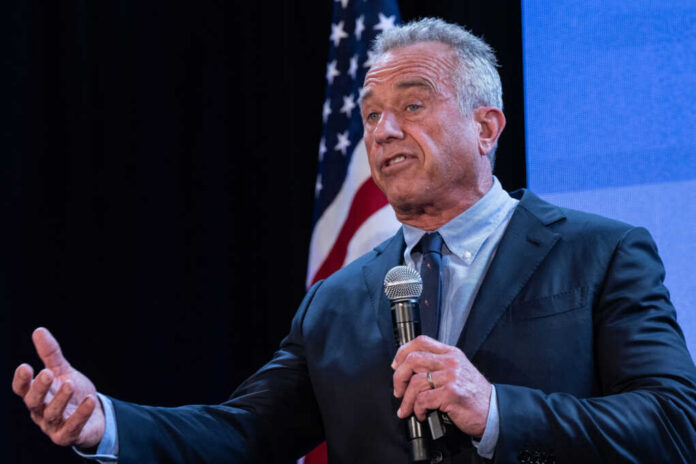
Robert F. Kennedy Jr., HHS Secretary, sent letters in January 2026 urging medical schools to adopt 40 hours of nutrition education or competency equivalents by fall 2026. On March 5, HHS and the Department of Education hosted university leaders, securing public commitments from 53 schools in 31 states. These schools, including McGovern Medical School and UT Southwestern, will train 30,000 future doctors annually. Kennedy declared chronic disease bankrupts the health system, vowing to restore nutrition to patient care. This move targets the diet-related epidemic head-on.
Historical Neglect Exposed in U.S. Medical Training
U.S. medical schools allocate less than 1% of lecture hours to nutrition. A 2022 Journal of Wellness survey revealed students receive an average 1.2 hours yearly. Seventy-five percent of schools lack required clinical nutrition courses, and only 14% of residencies mandate nutrition curricula. Providers feel comfortable discussing nutrition in just 14% of cases due to treatment-over-prevention bias, absent nutrition departments, and brief patient visits. Repeated reform calls failed amid missing champions and bedside reinforcement.
Key Stakeholders Drive Momentum for Change
Linda McMahon, Education Secretary, co-hosted the March 5 event, stating medical schools can place nutrition front and center. AMA President Dr. Bobby Mukkamala endorsed the effort, calling it momentum for evidence-based nutrition to foster physician-patient food discussions. NIH supports with a $5 million challenge for curricula and research. HHS developed 71 core competencies, expanding 2024 JAMA consensus on skills like culturally sensitive recommendations. Schools commit voluntarily for recognition and funding incentives, though experts debate mandate needs.
HHS and DOE wield leverage through publicity and potential funding ties. AMA lends credibility, while nutrition professionals push for stronger enforcement. Kennedy emerges as primary driver, informed by JAMA authors and Academy of Nutrition and Dietetics alignment with dietitian skills.
Doctors Are About to Get More Nutrition Training. Will It Matter? https://t.co/yMOTGLtXNb pic.twitter.com/gruEYlN8RN
— Healthy Hoss 🍎 (@HealthyHoss) March 11, 2026
Impacts Promise Prevention Over Pills
Short-term, 30,000 graduates gain skills for nutrition discussions and dietitian referrals. Long-term, scaled adoption could slash $4.4 trillion chronic care costs and 1 million yearly diet deaths by promoting lifelong healthy eating. Patients with obesity, diabetes, and heart disease benefit most. Dietitians expect collaboration surges. Politically, HHS funding signals conservative values: personal responsibility via diet trumps government handouts for avoidable illnesses. Residencies lag, with only 14% compliant, demanding broader reform.
Sources:
53 US Medical Schools to Require Nutrition Education in 2026 Under New HHS Initiative
Medical Schools Commit to Expanded Nutrition Training for Future Doctors
Will Adding to Medical School Requirements Increase Nutrition?
Medical Schools to Change Nutrition Training Requirements Under Federal Initiative
HHS and Dept of Ed Launch Advancing Nutrition Education Across the Medical Continuum Initiative