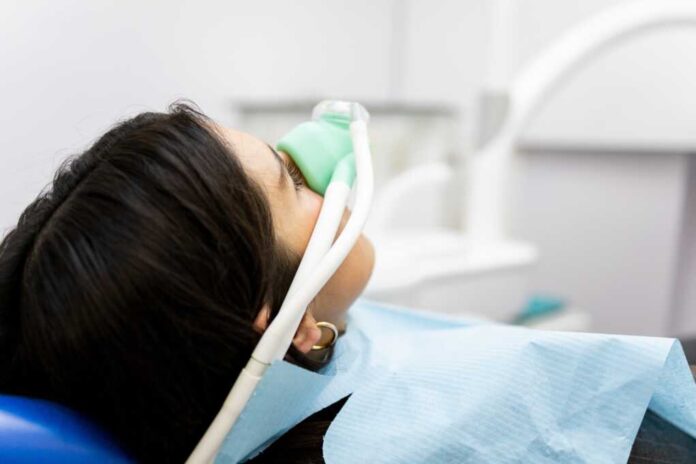
A colorless gas commonly used in dental offices might hold the key to treating severe depression in a matter of hours rather than weeks.
Story Snapshot
- Nitrous oxide shows rapid antidepressant effects within hours of treatment
- Single doses provide quick relief while repeated treatments offer sustained benefits
- Treatment particularly effective for patients who haven’t responded to traditional medications
- Meta-analysis confirms significant improvements in major depression symptoms
Beyond the Dentist’s Chair: Nitrous Oxide’s New Medical Frontier
Nitrous oxide, the “laughing gas” familiar to anyone who has endured dental surgery, represents a potential breakthrough in treating one of America’s most devastating mental health challenges. Major depression affects millions of Americans, with traditional antidepressants often taking weeks or months to show effects, if they work at all. Recent research suggests this simple compound could change everything we know about depression treatment timelines.
The gas works through entirely different brain pathways than conventional antidepressants like SSRIs or SNRIs. While traditional medications slowly adjust serotonin levels over weeks, nitrous oxide acts on the brain’s NMDA receptors, producing rapid changes in neural connectivity. This mechanism mirrors that of ketamine, another fast-acting depression treatment that has revolutionized psychiatric care in recent years.
Watch:
Remarkable Results in Treatment-Resistant Cases
The most compelling evidence comes from patients who have exhausted traditional treatment options. These individuals, often suffering for years without relief, experienced significant symptom improvement within hours of nitrous oxide administration. The meta-analysis revealed that single treatments provided immediate but temporary benefits, while repeated sessions extended relief for weeks or even months.
Treatment protocols typically involve brief inhalation sessions under medical supervision, similar to dental procedures but specifically calibrated for psychiatric benefits. Patients remain conscious throughout the process, experiencing mild euphoria followed by measurable mood improvements that persist long after the gas clears their system. The safety profile appears favorable, with side effects generally limited to temporary dizziness or nausea.
Addressing America’s Mental Health Crisis
This development arrives at a crucial time for American mental health. Depression rates have skyrocketed, particularly among younger demographics, while traditional treatments often fall short. The ability to provide rapid relief could prove invaluable for patients experiencing suicidal ideation or severe functional impairment where time is literally a matter of life and death. Start your mental health conversation safely.
The treatment’s potential extends beyond individual patient care to broader healthcare economics. Traditional depression treatment involves lengthy trial-and-error periods with multiple medications, extensive therapy sessions, and often repeated hospitalizations. Rapid-acting treatments like nitrous oxide could dramatically reduce these costs while improving patient outcomes and returning productive members to the workforce faster.
The Road Ahead for Implementation
Despite promising results, several hurdles remain before nitrous oxide becomes standard depression treatment. Regulatory approval processes require extensive safety data, particularly regarding long-term effects and optimal dosing protocols. Medical facilities would need specialized equipment and trained personnel to administer treatments safely, representing significant infrastructure investments. These practical concerns must be addressed to ensure that breakthrough treatments reach those who need them most, not just affluent patients in major metropolitan areas. Mental wellness starts with small steps, begin now.
Fast depression relief? Nitrous oxide shows remarkable potential
Nitrous oxide may offer quick, short-term relief for people with major depression, especially those who haven’t responded to standard medications. The meta-analysis found rapid improvements after a single dose and…
— The Something Guy 🇿🇦 (@thesomethingguy) December 3, 2025
Sources:
https://www.independent.co.uk/news/health/laughing-gas-depression-treatment-study-b2874391.html
https://www.sciencedaily.com/releases/2025/12/251202052213.htm