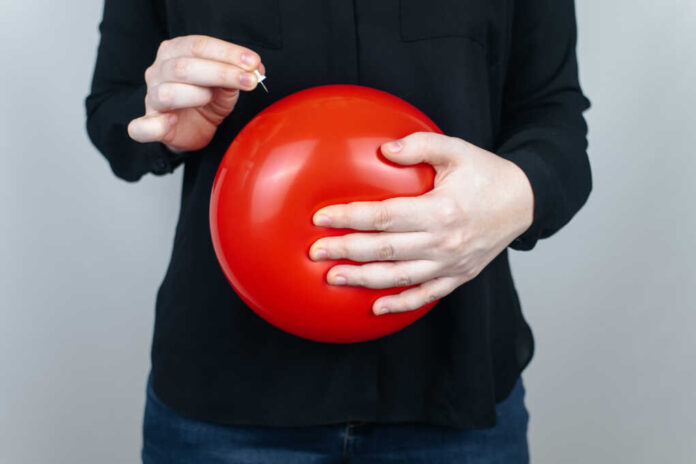
What if you could banish that uncomfortable, balloon-like feeling in your gut before the day is out—using nothing but expert know-how?
Quick Take
- Expert-backed strategies promise tangible bloating relief in just 24 hours.
- Simple changes—like hydration, mindful eating, and a peppermint oil capsule—can have a swift impact.
- Both familiar and unexpected triggers are on the chopping block, from fizzy drinks to posture habits.
- Persistent or severe bloating remains a red flag: know when to seek help.
The Race to Beat the Bloat: Modern Causes and Old Solutions
Bloating is not new, but the 21st-century lifestyle has turned it into a near-epidemic. Processed snacks, artificial sweeteners, and carbonated drinks have crowded out simpler fare, leaving more people than ever clutching their midsections in discomfort. Experts now report a spike in complaints, with digestive woes topping the list of reasons adults seek dietary advice. Yet, behind the numbers lies a simple truth: most bloating can be tamed—quickly—by making the right moves.
Nutritionists point to a dual culprit: what we eat, and how we eat it. Overeating, rushing through meals, or mindlessly sipping sodas at your desk all add up. But so do less obvious offenders—like slouching after lunch or swallowing air from anxious chewing gum habits. The good news is that solutions exist, and most require no prescription, just a willingness to swap out a few old habits for proven new ones.
Six Strategies for 24-Hour Relief: What the Experts Advise
Rapid relief hinges on six main strategies, all endorsed by leading clinics and registered dietitians. First, identify and avoid triggers: common culprits include dairy, beans, fizzy drinks, and certain artificial sweeteners. Keeping a food diary for even a day can reveal patterns and help dodge repeat offenders. Second, hydrate—plain water is the unsung hero, helping flush out excess sodium and keep digestion moving smoothly. Third, get moving; a brisk walk or gentle stretching routine can encourage trapped gas to move along, easing pressure and restoring comfort.
Watch: 7 Ways To Relieve a Bloated Stomach
Fourth, consider peppermint oil capsules or herbal teas, like ginger or chamomile. Clinical studies confirm they can relax gastrointestinal muscles and reduce gas, although results vary from person to person. Fifth, eat mindfully: slow down, chew thoroughly, and avoid distractions. Not only will this cut down on air swallowing, but it also gives your gut a fighting chance to process food efficiently. Finally, for those who need a little extra help, over-the-counter remedies like simethicone or antacids may provide rapid, temporary relief. However, experts caution against habitual use without investigating underlying causes.
When Relief Isn’t Enough: Red Flags and the Role of the Professional
Most bloating resolves with these interventions, but not all cases should be managed at home. Persistent, severe, or painful bloating—especially when accompanied by weight loss, vomiting, or blood—demands medical evaluation. Gastroenterologists stress this point: while 24-hour fixes are suitable for the majority, some cases signal deeper issues requiring a thorough workup. Ignoring these signs in pursuit of rapid relief could delay critical diagnoses, such as celiac disease or serious gastrointestinal disorders.
The Future of Bloating Relief: Self-Care, Science, and Sensibility
Recent research has shifted the focus from long-term management to acute intervention, empowering individuals to act quickly and effectively. As public awareness grows, so does skepticism toward quick fixes not grounded in evidence. Nutrition experts now emphasize practical, individualized strategies over rigid, one-size-fits-all diets. This pragmatic approach benefits not only those seeking comfort before a big event, but also the broader healthcare system by reducing unnecessary doctor visits and medication use.
Sources:
Healthline
Northwestern Medicine
Baylor Scott & White Health
Harvard Health
Mayo Clinic
Cleveland Clinic